Introduction
Basements are having a moment, and the numbers back it up. The National Association of Realtors' (NAR) 2025 Remodeling Impact Report gives basement conversions to living space a Joy Score of 8.8, with 64% of owners reporting a greater desire to be home after finishing the project.
A bar is usually the centerpiece of that transformation. But there's a stubborn myth attached to it: you need a sprawling basement and a five-figure budget to pull one off.
You don't.
This guide breaks down 15 basement bar ideas across three tiers: budget-friendly, mid-range, and luxury. You'll also find the planning basics and finishing touches that make any bar feel intentional, no matter your square footage or spend.
Key Takeaways
- A basement bar is achievable at any budget with the right layout and materials
- Wet bar vs. dry bar is the biggest cost decision in the project
- Lighting, seating, and decor upgrade any bar without new construction
- Larger or luxury builds benefit from a team that manages sourcing and installation end to end
Planning Your Basement Bar Before You Build
Measure Your Space and Map the Layout
Before picking a style, walk your basement with a tape measure. Ceiling height, support posts, the stairwell, and existing outlets all dictate where a bar can realistically go.
A low ceiling might rule out pendant lighting or push you toward a wall-mounted design. A support column near the middle of the room could become the anchor for an L-shaped counter instead of an obstacle. Existing electrical outlets save money; new ones add cost fast.
Sketch the room, mark these fixed points, then build your bar concept around them, not the other way around.
Wet Bar vs. Dry Bar: The Decision That Drives Your Budget
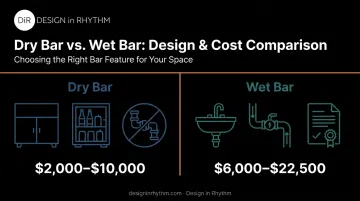
This is the fork in the road. A dry bar relies on storage, a beverage fridge, and no plumbing. A wet bar adds a sink and water lines, which means permits, a plumber, and a bigger bill.
According to Angi's basement bar cost guide, a custom sit-down dry bar typically runs $2,000 to $10,000, while a wet basement bar lands between $6,000 and $22,500. The gap comes down to plumbing rough-ins, sink installation, and the added labor of tying into existing lines.
If your basement doesn't already have plumbing nearby, a dry bar keeps costs contained. If a bathroom or laundry line runs close to your planned bar location, a wet bar becomes far more affordable to add.
Set a Budget Range and Choose Your Tier
Your budget tier determines materials, appliances, and how much of the space gets built out. This guide covers three:
- Budget: Minimal construction, off-the-shelf or repurposed pieces
- Mid-range: Semi-custom cabinetry, small plumbing additions, better finishes
- Luxury: Full custom builds, premium stone, integrated tech
Whatever tier you land in, build in a cushion. NARI recommends setting aside 10% to 20% of your total budget for unexpected costs like outdated wiring or structural surprises behind the wall. Basements, being older and less visible day to day, tend to hide more of those surprises than other rooms.
Budget-Friendly Basement Bar Ideas (Ideas 1-5)
These five ideas prove a great basement bar doesn't require demolition or a big check.
Idea 1: Wall-Mounted Bar Counter
A slim floating counter with open shelving above is the least expensive option here. It works well in narrow basements where floor space is tight, and it requires minimal carpentry since there's no cabinet base to build.
Idea 2: Under-Stair Bar Nook
That dead triangle of space beneath the basement stairs is usually wasted. Turn it into a compact serving nook with a small counter and shelving, since construction costs stay low when you're working within an existing structural footprint.
Idea 3: Repurposed Furniture Bar
A vintage dresser, sideboard, or bookshelf can become a fully functional bar with a coat of paint and a few hardware swaps. This sidesteps custom cabinetry costs entirely and gives the space real character.
Idea 4: Open Shelving Display Bar
Skip the enclosed cabinets, and let open shelving cost less to build while turning your bottle and glassware collection into the decor.
Idea 5: Rolling Bar Cart Setup
This setup requires zero construction, letting you start entertaining right away. As your budget grows, the cart can become a supplement to a built-in bar instead of being replaced entirely.
Mid-Range Basement Bar Ideas (Ideas 6-10)
Once you're ready for semi-custom finishes and a bit more construction, these five ideas deliver a finished look without luxury pricing.
Idea 6: Corner L-Shaped Bar with Seating
An L-shaped layout adds counter space and room for stools without requiring a room addition. It works especially well in basements with an existing corner nook, since two walls already do half the framing work for you.
Idea 7: Built-In Cabinetry with Beverage Fridge
Semi-custom cabinetry paired with a beverage or wine fridge creates a finished, functional look at moderate cost. Fixr estimates a basement bar with cabinets, countertop, sink, faucet, and installation running $6,000 to $10,000, depending on finishes.
Idea 8: Classic Pub-Style Bar
Darker wood tones, traditional stools, and warm lighting give this option a timeless feel. It doesn't chase trends, which means it won't look dated in five years the way some flashier styles might.
Idea 9: Basic Wet Bar with Small Sink
Adding a small sink becomes far more affordable when plumbing lines already run nearby, often cutting costs compared to a full rough-in from scratch.
Idea 10: Themed Entertainment Bar
Pairing the bar with a TV and seating area creates a sports or movie-night theme. Budget-conscious decor does most of the heavy lifting here: team memorabilia, string lighting, and a few framed posters.
Luxury Basement Bar Ideas (Ideas 11-15)
At this tier, the bar becomes the room's showpiece. HomeAdvisor puts a fully custom wet bar at $10,000 to $30,000, and Angi's overall basement bar range tops out near $33,800 for the most elaborate builds.
Idea 11: Custom Island Bar with Premium Stone Counters
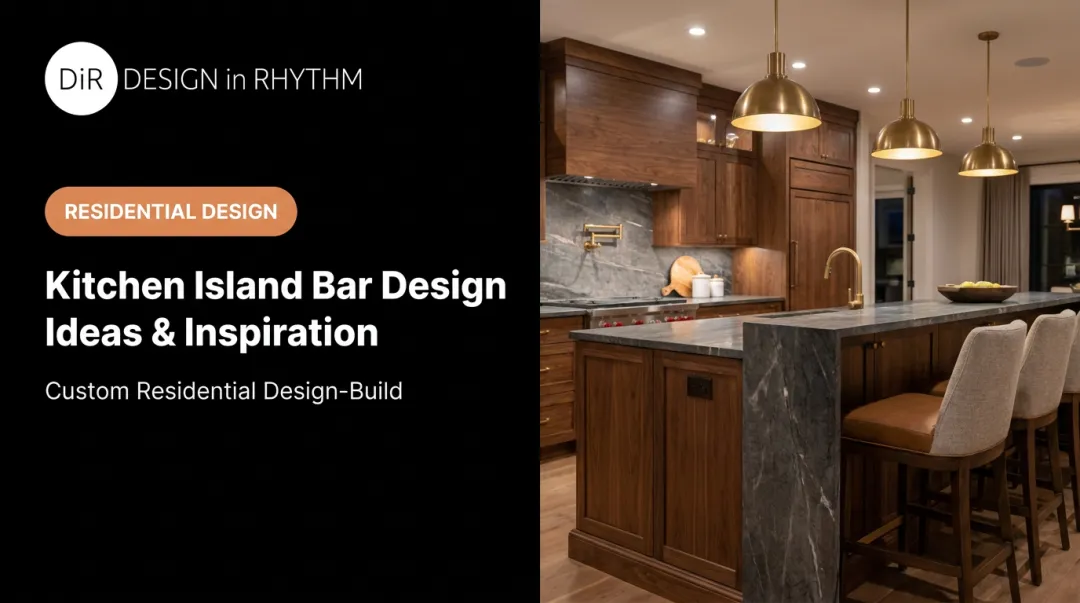
An island layout with quartz or marble counters and seating on multiple sides works best in open, larger basements. It creates a natural gathering point rather than a wall-hugging bar people file past.
Idea 12: Speakeasy-Style Lounge Bar
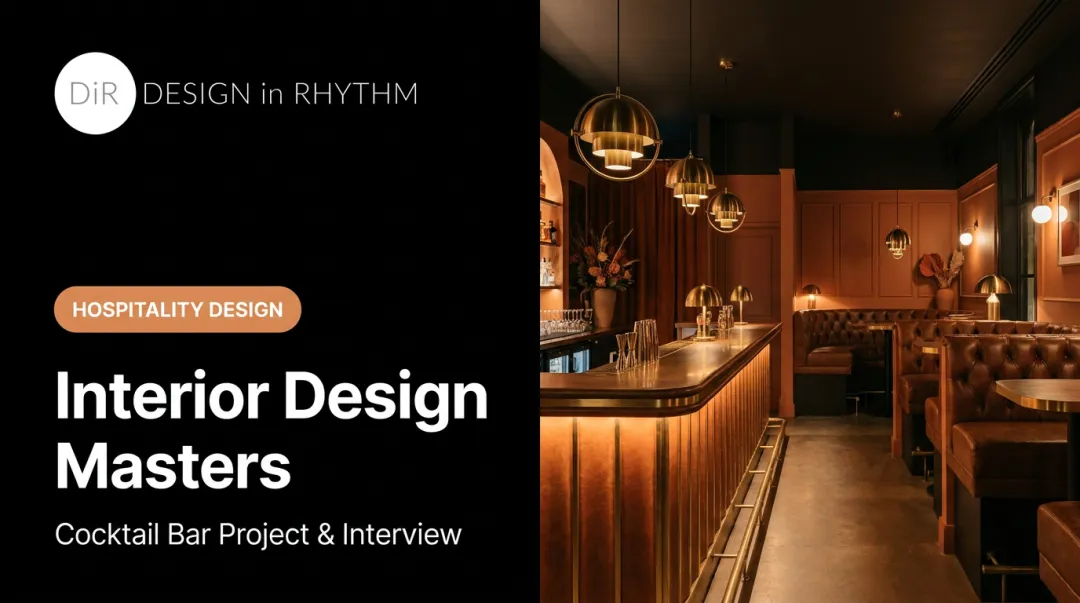
Rich colors, textured materials like leather and brass, and layered lighting create a moody, upscale entertaining atmosphere. The whole room, not just the bar, reads as an experience.
Idea 13: Temperature-Controlled Wine Display Wall
A glass-enclosed, climate-controlled wine wall makes a statement for serious collectors. It's as much art installation as storage, and it turns an ordinary wall into a focal point.
Idea 14: Full Wet Bar with Draft System and Smart Tech
Beer tap systems, kegerators, and integrated smart lighting and sound are the hallmarks of a true entertainer's bar. This is the tier where every detail—temperature, volume, ambiance—is dialed in and controllable.
Idea 15: Fully Custom Bar as Part of a Whole-Basement Suite
At the top end, the bar is one piece of a larger design, paired with custom millwork, lounge seating, and curated furnishings across the basement, closer to a boutique hotel lounge than a home addition.
Projects at this scale involve dozens of sourcing decisions: stone selections, custom seating, lighting fixtures, and hardware finishes, often from vendors outside standard retail channels. This is where working with an integrated firm like Design in Rhythm pays off.
The team sources every product before finalizing photorealistic renderings, so what you approve on screen is exactly what arrives on-site. From there, it manages procurement, logistics, and installation through its own vendor network, so nothing gets lost between concept and completion.
Design Details That Elevate Any Budget
Regardless of tier, a handful of details separate a good basement bar from a forgettable one.
Layer your lighting. Combine overhead ambient light, pendant fixtures over the counter, and accent lighting behind shelving. This single change does more for atmosphere than almost any material upgrade.
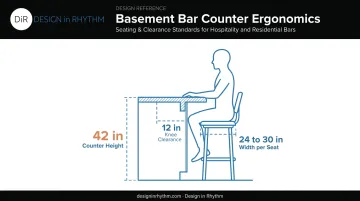
Match seating to counter height. This Old House recommends a standard 42-inch bar counter with roughly 12 inches of knee clearance and 24 to 30 inches of width per seat. Get this wrong and even a beautiful bar feels uncomfortable to sit at.
Add personal touches. Mirrors visually expand a basement, while curated bottle displays, framed art, and personal memorabilia give the space a story. None of this requires a renovation budget, just intention.
Frequently Asked Questions
What is the difference between a wet bar and a dry bar?
A wet bar includes plumbing and a sink, while a dry bar relies on storage and a beverage fridge with no water lines. The plumbing requirement is what makes wet bars more complex and expensive to install.
How much does a basement bar cost in 2026?
Budget-tier builds like wall-mounted counters or repurposed furniture typically run $600 to $2,500. Mid-range wet or dry bars land between $6,000 and $10,000, while luxury custom builds range from $10,000 to $30,000 or more.
Can I build a basement bar on a small budget?
Yes. Dry bars, open shelving, and repurposed furniture keep construction costs low without sacrificing style. A rolling bar cart is a zero-construction starting point you can upgrade later.
What is the best basement bar idea for a small basement?
Wall-mounted counters, under-stair nooks, and corner L-shaped layouts are the top space-saving options. Each makes use of otherwise wasted square footage instead of competing for open floor space.
Does a basement bar add home value?
NAR reports a 71% cost recovery for finished basement conversions, though no source isolates a bar-specific resale premium. A well-finished bar contributes to overall livable square footage and everyday enjoyment of the home.
Should I DIY my basement bar or hire a designer?
DIY works well for budget builds like wall-mounted counters or repurposed furniture. Larger or luxury projects benefit from an integrated team like Design in Rhythm to manage sourcing, custom furnishings, and installation from one point of contact.