Introduction
Every season of Interior Design Masters builds toward one moment: the grand prize. In Series 4, that prize was a real cocktail bar contract in central London, and the finale pushed two designers to their absolute limit.
Viewers watched the reveal, but they didn't see the hours of hand-applied copper leafing, the last-minute panic, or the quiet self-doubt one designer had to push through to win.
This post breaks down exactly how Monika Charchula's winning design came together and what she revealed in post-show interviews. It also covers the practical lessons any bar or restaurant owner can steal from a competition built on impossible deadlines.
Key Takeaways
- Monika Charchula won the Series 4 cocktail bar prize by transforming Brighton's Fountain Head pub.
- Her hand-applied copper-leafed bar counter became the design's defining showstopper.
- Winning under pressure depended on smart teammate selection and relentless focus.
- Real venues can achieve the same wow-factor without a TV clock ticking in the background.
The Interior Design Masters Cocktail Bar Challenge Explained
Interior Design Masters with Alan Carr airs on BBC One, with Michelle Ogundehin serving as series judge. The Series 4 finale, broadcast in April 2023, put its two remaining designers through the toughest brief of the entire season.
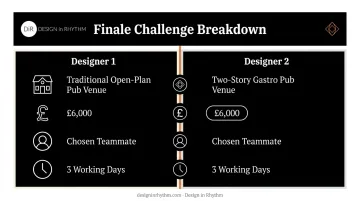
Monika Charchula and Jack Kinsey each received a real, operating Brighton pub to redesign:
- Monika took on The Fountain Head, a traditional, open-plan pub with notoriously low ceilings.
- Jack took on Earth & Stars, a two-story gastro pub with its own structural quirks.
Both designers worked with £6,000 (double the show's standard £3,000 project budget), a crew of tradespeople, and three working days. Each could also pick one eliminated contestant to help execute the build. Monika chose Tom; Jack chose Buse.
With the builds complete, guest judges Nisha Katona, a hospitality expert and restaurateur, and interior designer Abigail Ahern joined Michelle Ogundehin for the final verdict. The judges weighed more than visual appeal. They chose based on which designer's aesthetic fit a working cocktail bar contract, a standard that applies to professional design work just as much as it does to television.
Inside the Winning Cocktail Bar Design
Monika's brief was to turn a community local into what the BBC described as a "fun day-to-night venue" for a younger crowd. Every choice she made worked toward that goal.
The Copper-Leafed Bar Counter
The bar itself became the room's centerpiece, hand-finished with copper leaf applied in painstaking layers.
Achieving that finish took a slow, deliberate technique, turning a standard pub counter into the space's focal point, the kind of detail people stop to photograph before they even order a drink.
Floral Wallpaper and the Distressed Mirror Wall
That same commitment to craft carries through the rest of the space. Behind the bar, Monika paired floral wallpaper from Lust Home with a mirror wall she distressed by hand.
The aging technique added instant depth and an old-world glamour that a flat, new mirror simply couldn't deliver. Small, imperfect details like this are often what separate a good design from a memorable one.
Real vs. Faux Foliage: The Abigail Ahern Debate
Monika chose real plants throughout the space. When asked about it, she noted that guest judge Abigail Ahern champions artificial greenery, adding with a bit of humor that there's nothing wrong with faux foliage.
It's a small moment, but it captures a real design question: does authenticity matter more than convenience in a commercial space? For a cocktail bar chasing an intimate, lived-in feel, real greenery tends to win.
Behind the Design: Interview Insights from the Winning Designer
The reveal only shows the finished room. What Monika shared afterward paints a fuller picture of what it actually took to get there.
On personal growth: Monika described starting the competition "incredibly insecure and very shy," admitting she didn't believe in herself for much of the series. Michelle Ogundehin later said she "loved watching Monika grow" and started to genuinely enjoy her own talent.
On working with ADHD under pressure: Monika calls her ADHD a "butterfly brain" that chases a dopamine hit. During the final, that hyperfocus locked onto the copper leafing detail. As she told House Beautiful, the hours "started to run away" from her while she worked the foil, which only added to the time pressure she was already under.
On choosing her teammate: Monika picked Tom specifically because she needed someone organized. His upholstery skills and calming, positive energy filled the gaps in her own working style, proof that a strong pairing often matters more than picking the most talented person available.
On the reality of filming: Days ran roughly nine hours, and Monika had to repeat takes multiple times so camera crews could capture different angles. A polished four-minute reveal hides an enormous amount of unseen labor and problem-solving.
On what's next: Monika plans to formally offer interior design services, including moodboards and shopping lists, alongside her existing furniture brand, 84 Square. It's a common trajectory for design competition winners: use the exposure to build a service business on top of an existing creative practice.
Design Lessons Every Cocktail Bar Owner Can Steal from the Show
You don't need a TV crew or a countdown clock to apply what made this design work. The same principles show up in some of the best-reviewed bars in the world.
1. Build around one hero focal point. At Dinner Bell in Gorakhpur, India, designer W5 Architects built the entire room around a single dramatic ceiling made from hand-cut, dyed PVC pipes. One bold feature, not five competing ones, gives a space its identity.
2. Try pattern-drenching for intimacy. Kelly Wearstler's Quill Room at Austin Proper Hotel wraps a golden, patterned wallpaper across both walls and ceiling. The effect is cocooning, almost like sitting inside a jewel box, and it's a technique any bar with low ceilings can borrow.
3. Layer earthy tones with metallic accents. Copper, brass, or gold accents against a moody backdrop create sophistication without tipping into clutter. It's the same logic behind Monika's slate-toned walls and copper bar from the show.
4. Design for more than one mode. Sydney's Tigra + Disco Pantera uses movable furniture to shift from a relaxed aperitif spot into a late-night party space. This flexible approach earned it recognition as one of the best bar designs of 2025.
5. Finalize materials before you start building. Mixing design languages across one venue, glamorous up front and rustic in the back, reads as unfinished rather than eclectic. Lock in your material palette before the first hammer swings.
Bringing TV-Worthy Bar Design to Your Own Venue with Design in Rhythm
Watching a design come together under a countdown clock makes for great television. It's a terrible way to actually run a hospitality business.
Design in Rhythm approaches bar and restaurant projects through a structured, four-phase process: Dream, Visualize, Source, and Build. Discovery comes first, understanding how a space actually functions, before a single material gets chosen.
What sets the process apart for hospitality clients:
- **We source every product before finalizing renderings**, so what you approve is exactly what gets installed. No surprises, no substitutions.
- A decade-plus of boutique hospitality experience, including St Felix Las Vegas and the Arclight Theater Bar in Boston, each anchored by a signature focal point.
- An established network of vendors, artisans, and custom furniture makers capable of executing hand-finished details (think statement counters, custom wallpaper) that make a space memorable.
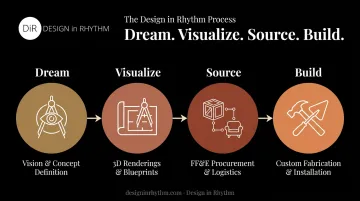
The result is the same show-stopping impact viewers see in a finale reveal, minus the three-day deadline and the vendor chaos.
Frequently Asked Questions
Who won Interior Design Masters and what was the prize?
Monika Charchula won Series 4 of Interior Design Masters, beating runner-up Jack Kinsey in the finale. Her prize was a commercial contract to design a real cocktail bar in central London.
What is the Interior Design Masters cocktail bar project?
It's the grand prize challenge of the series. The winning designer earns a paid contract to design an actual, operating cocktail bar, not just a mock-up for television.
What design techniques made the winning cocktail bar design stand out?
Judges praised the hand-applied copper leaf bar counter, the floral wallpaper paired with a distressed mirror wall, and Monika's confident use of print and color throughout the space.
What budget and time constraints do Interior Design Masters contestants face?
Finalists worked with £6,000 each, double the show's usual £3,000 project budget. They also had just three working days and a crew of tradespeople to complete the full pub transformation.
What design lessons can bar and restaurant owners take from the show?
Build around one dramatic hero focal point and keep your design language consistent across every zone. Plan for flexible, multi-use layouts rather than locking into a single static setup.
How can I get a professionally designed cocktail bar without TV-style pressure or budget surprises?
Design in Rhythm's discovery-driven process sources every material before finalizing renderings, so you see exactly what you're getting before installation begins. Schedule a consultation to start the conversation.