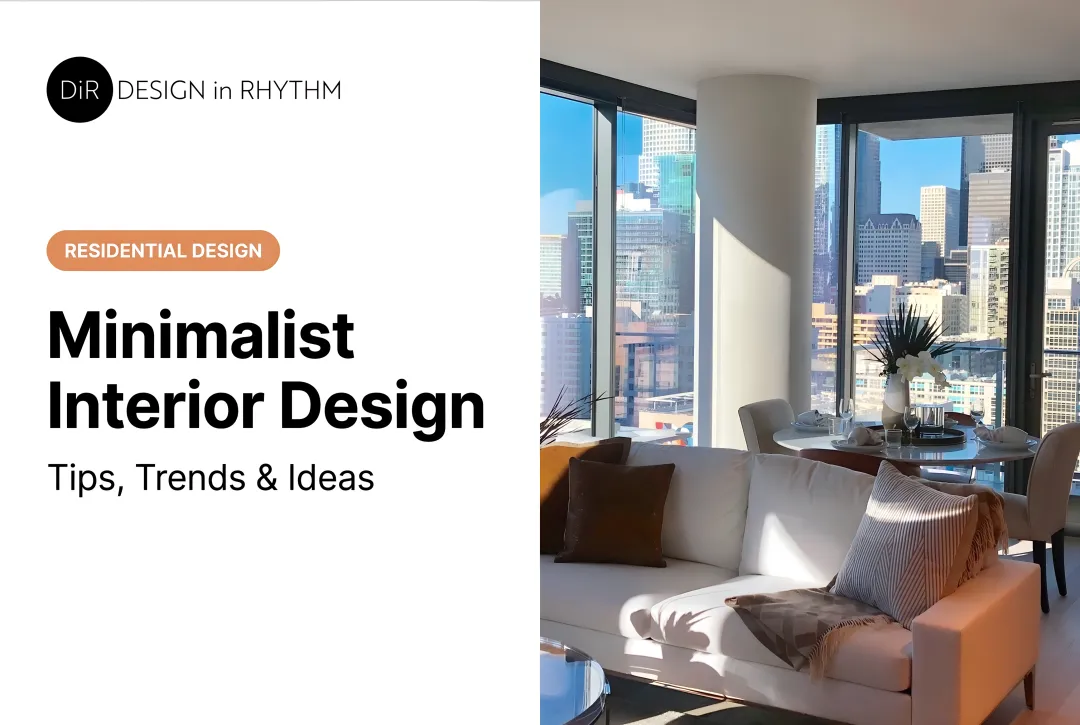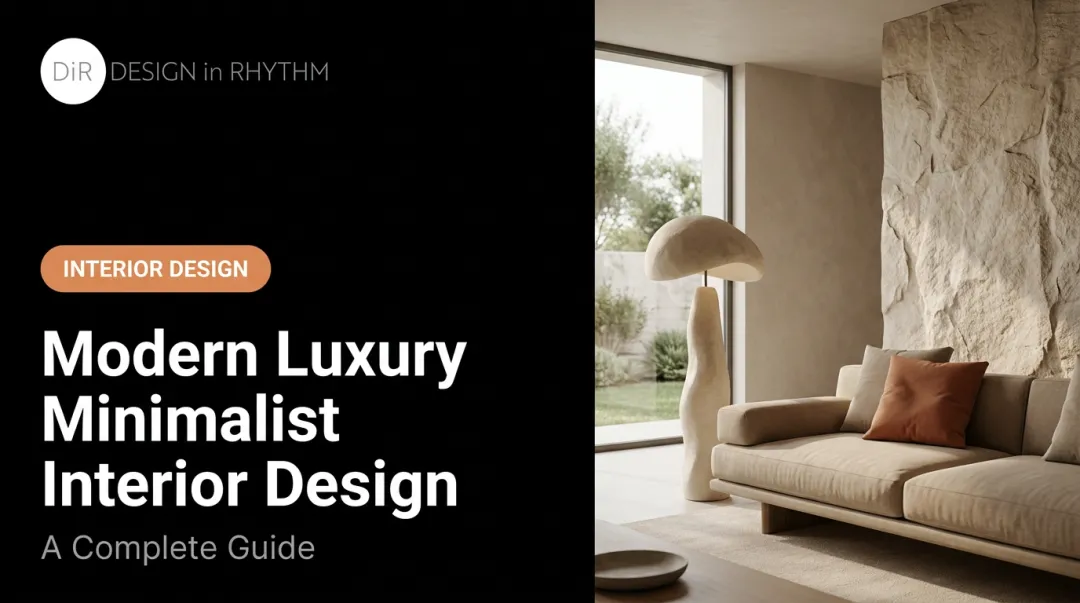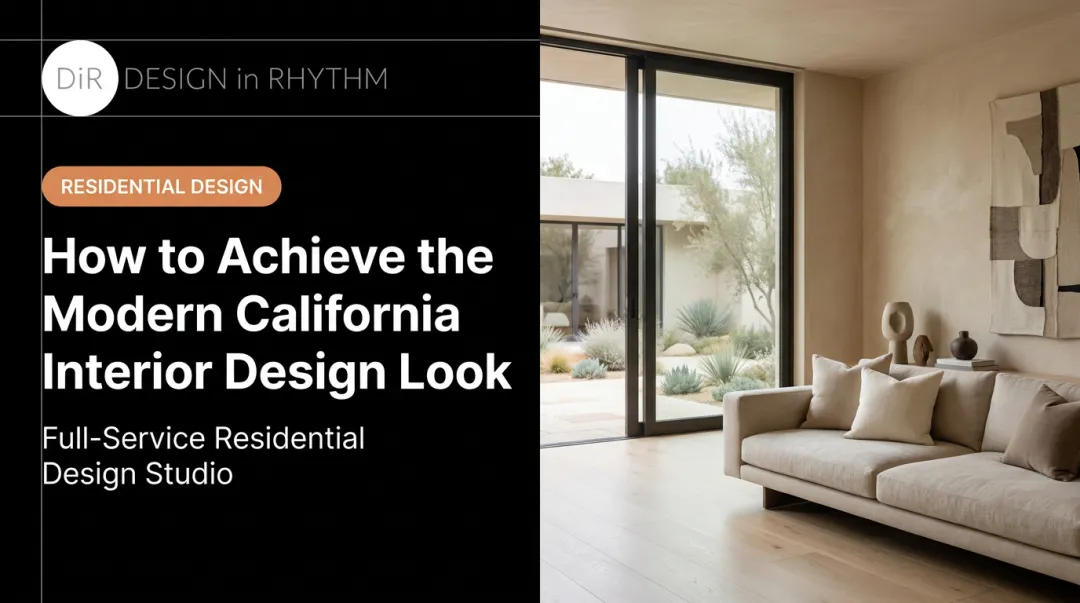
The best minimalist interiors are warm, considered, and deeply personal. They feel like someone thought carefully about every single thing in the room, then had the discipline to stop. That's a different skill entirely from simply removing furniture.
Houzz data shows searches for "organic modern" interiors surged between 66% and 245% year-over-year across room categories — reflecting a clear shift toward restrained spaces that still feel livable and warm. The cold, sparse version of minimalism is retreating. What's replacing it is more nuanced, more textural, and honestly more difficult to execute.
This guide covers what modern minimalist design actually means in 2026, the principles that make it work, the warm-vs.-stark debate, room-by-room application, and the mistakes that derail even well-intentioned minimalist projects.
Key Takeaways
- Modern minimalist design is defined by intentionality and restraint, not emptiness
- Warm minimalism has largely supplanted stark minimalism, layering texture and earthy tones into clean frameworks
- Quality materials — natural stone, linen, solid wood — do the visual work that color and pattern don't
- Every element in a minimalist space must earn its place through both form and function
- Working with an experienced designer ensures minimalism reflects your story, not someone else's aesthetic
What Modern Minimalist Design Actually Means in 2026
Minimalism as a design philosophy centers on simplicity, intentionality, and restraint. Every element is chosen for purpose and beauty — not abundance. But that's always been the definition. What's changed is how it's applied.
The style has roots in the Bauhaus movement (1919–1933), which MoMA describes as integrating art, craft, and design through harmoniously balanced geometry for functional efficiency. It draws equally from Japanese design philosophy: wabi-sabi (the acceptance of imperfection and transience) and ma (the Japanese concept of negative space, where emptiness creates meaning).
By the time minimalism emerged as a distinct interior style in the 1960s and 70s, those influences had merged with Western modernism into something cleaner, more architectural.
ASID's research identifies wellness and sustainability as the dominant interior design priorities of our moment — and that cultural shift is exactly what's changed minimalism's relevance. Fewer, better things. Calmer visual environments. Spaces that don't compete for your attention. When constant digital noise is the baseline, a room that asks nothing of you is a genuine luxury.
What Minimalism Is Not
This matters because it's widely misunderstood:
- It's not sparse furniture on a white floor
- It's not absence of personality or warmth
- It's not neglect dressed up as aesthetic choice
- Minimalism is actually harder to execute than maximalism — there's nowhere to hide
When you reduce decoration, every proportion, every material choice, every piece of furniture carries more visual weight. Architectural Digest designers note that incorrect scale, insufficient texture, and objects without function are immediately visible in minimalist spaces — mistakes that would be absorbed by a busier room.
The real challenge is making restraint feel rich. That takes genuine design skill — in proportion, material selection, and knowing precisely what to leave out.
The Core Principles of Modern Minimalist Design
Clean Lines and Purposeful Form
Every piece of furniture and every architectural detail should have a clear, readable silhouette. Straight lines provide structure; subtle curves create balance. This is the visual backbone of the style — when nothing is decorative for decoration's sake, form becomes the primary source of beauty.
A Restrained, Tonal Color Palette
Minimalist spaces work within a limited palette: whites, creams, warm greys, earth tones. Depth comes from tonal variation, not color contrast. A room can have four or five shades of the same warm beige and feel visually rich. A deliberate pop of color — a terracotta cushion, a deep green vessel — works when it's a composed decision, not decoration added to fill space.
Quality Materials Over Quantity
This is where minimalism makes its demands. When color and pattern are reduced, texture becomes the primary tool for visual interest. Natural stone, linen, solid wood, hand-thrown ceramics — these materials add tactile depth, aging character, and visual weight that printed fabrics and painted surfaces simply don't. You're investing in fewer things, but each one has to carry the room.
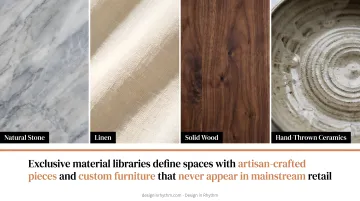
Access to the right materials matters here. Design in Rhythm, for example, sources through trade vendor relationships built over a decade — which is how clients end up with artisan-crafted pieces and custom furniture that never appear in mainstream retail.
Natural Light as a Design Element
Light placement, window treatment choices, and the relationship between interior and exterior are foundational in minimalist design. A study of 750 participants found that improved natural light design increased perceived happiness significantly, with windows exceeding 40% of wall area producing the largest gains. In a minimalist space, light isn't just illumination — it creates the shadow and dimension that ornamentation would otherwise provide.
Mirrors and reflective surfaces amplify natural light without adding visual clutter.
Strategic Storage and Anti-Clutter Discipline
Minimalism only works when storage is invisible. Built-ins, hidden cabinetry, and floor-to-ceiling storage aren't luxuries in this style — they're structural requirements. A beautifully composed minimalist room is instantly undone by visible clutter.
The distinction worth holding onto: this isn't about owning less. It's about designing storage that makes everything disappear on cue.
Every Element Must Earn Its Place
You're not adding trim to cover poor craftsmanship or filling empty space with objects. Every piece — from lighting to textiles to a single ceramic on a shelf — serves the composition and adds value. If you can't articulate why it's there, it probably shouldn't be.
Warm Minimalism vs. Cold Minimalism: The Shift That Changes Everything
Warm Minimalism vs. Cold Minimalism: Why the Distinction Matters in Practice
Cold minimalism — all-white rooms, hard surfaces, zero ornamentation — dominated the early 2000s. It photographed beautifully but was deeply uncomfortable to actually live in.
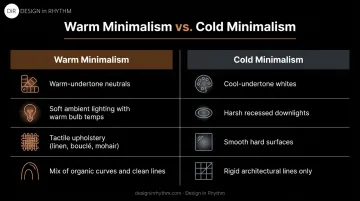
Warm minimalism is the evolved version, and it's where the design conversation in 2026 is focused. The difference plays out in materials, lighting, and furniture choices — each one nudging a room toward either inviting or sterile.
The Signature Materials of Warm Minimalism
Designers working in this mode reach for a consistent material vocabulary:
- Jute and wool rugs with visible texture
- Plaster walls (lime or Venetian) that catch light and shadow
- Aged or smoked oak in furniture and millwork
- Travertine stone for surfaces and accents
- Matte ceramics and handcrafted pottery
- Linen drapery in warm neutrals
- Mohair and cashmere upholstery
These materials add depth and sensory richness without visual clutter. The room stays quiet but doesn't feel empty.
The Design Philosophies Behind It
Warm minimalism pulls from two traditions simultaneously. From Japan: wabi-sabi's acceptance of natural imperfection, and ma's use of negative space to create meaning. From Scandinavia: the hygge emphasis on physical warmth, natural materials, and spaces that feel genuinely hospitable.
The result is a distinctly contemporary aesthetic — neither Japanese nor Scandinavian, but informed by both. Those philosophical roots translate into specific, repeatable choices — which is where most rooms either succeed or drift cold.
How to Avoid Landing in Cold Minimalism
The difference often comes down to a handful of specific choices:
- Paint undertones — choose warm (yellow, red) undertones over cool (blue, green) undertones in whites and neutrals
- Lighting — soft ambient sources instead of harsh recessed downlights; warm bulb temperatures
- Upholstery — fabrics that invite touch (linen, boucle, mohair) rather than smooth, cold surfaces
- Shapes — mix organic curves alongside clean architectural lines to prevent rigidity
Applying Minimalist Design Room by Room
Living Room
The minimalist living room works around one strong anchor: a thoughtfully chosen sofa with a clear silhouette and quality upholstery. From there, the decisions become deliberately limited.
- One or two accent chairs — chosen for scale, not just style
- A rug that defines the zone without competing with the furniture
- One or two intentional decor objects: a sculptural vase, a curated book stack
- Furniture scaled correctly to the room (underscaled pieces in a large space read as unfinished, not minimal)
Large art in a single, properly scaled frame reads better than a gallery wall in this context. The goal is composed, not decorated.
Bedroom
The bedroom is both the easiest room to get right and the easiest to over-reduce. A strong headboard or canopy silhouette serves as the focal point. Bedding works in a monochromatic palette, layered in tonal textures — linen, cotton, wool — rather than pattern or color contrast.
Nightstands should have clean profiles and storage should be invisible. The challenge is maintaining warmth when you've stripped the room down. Three elements do the work:
- A sheepskin or chunky-knit throw draped over the foot of the bed
- A single piece of art chosen for emotional weight, not just aesthetic fit
- A warm table lamp rather than recessed overhead lighting
Kitchen and Bathroom
In kitchens and bathrooms, the details either hold the concept together or unravel it. The key decisions:
- Floor-to-ceiling cabinetry to eliminate visual fragmentation
- Hidden or integrated appliances
- Seamless material transitions (same stone or tile through floor and wall)
- Integrated hardware or push-to-open mechanisms
Houzz's 2026 kitchen survey of 1,780 US homeowners found that 76% added built-in features — pantry cabinets being the most common at 47% — reflecting how seriously renovating homeowners are taking integrated storage.
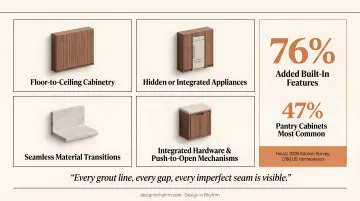
Minimalist kitchens and bathrooms have nowhere to hide poor installation. Every grout line, every gap, every imperfect seam is visible. Craftsmanship is non-negotiable.
The Biggest Mistakes in Minimalist Design
Mistake 1: Confusing Empty With Minimal
A room with sparse furniture but no intentional material selection, proper scale, or curated accents just looks unfinished. True minimalism requires as many design decisions as maximalism — often more. You're just making each one more carefully.
Mistake 2: Ignoring Texture and Warmth
White walls and bare floors without layered texture create a sterile, unlived-in feeling. Introduce contrasting textures — soft, hard, organic — within the same tonal palette. A linen sofa, a travertine side table, and a jute rug occupy the same color family while delivering completely different sensory experiences.
Mistake 3: Underestimating Storage
Visible clutter instantly destroys a minimalist composition. Storage is often treated as an afterthought — a freestanding cabinet dropped in after the design is done. It needs to be built into the room's architecture from the start: flush built-ins that read as part of the wall, not furniture placed against it.
How a Professional Interior Designer Brings Minimalism to Life
Here's the honest truth about minimalist design: it's harder to execute well than it looks. When there's no decoration to absorb mistakes, every proportion matters. A sofa that's 6 inches too large or too small for a room is immediately apparent. A paint color with the wrong undertone shifts the entire atmosphere of the space.
This is why many DIY minimalist projects fall short. The discipline requires real expertise in material sourcing, spatial planning, and light — not just an appreciation for clean aesthetics.
The Design in Rhythm Approach
Design in Rhythm's process starts with a discovery conversation before any design decisions are made. Founder Jon Wheat, a musician turned designer, built the studio around the principle that every space should have rhythm, harmony, and a distinct voice.
That discovery phase digs into how the space will actually be lived in — who uses it, what the daily rhythms are, and what the client is genuinely drawn to, often before they can fully articulate it themselves.
What follows is a Visualize phase that works differently from most firms. Every product is sourced and confirmed before renderings are created, so the photorealistic 3D visualization a client approves is an exact representation of the actual materials, furniture, and finishes — not a concept approximation.
That sourcing happens through a trade vendor network built over more than a decade — providing access to premium materials, artisan-crafted pieces, and custom furniture that aren't available through mainstream retailers.
For boutique hospitality projects — hotel lobbies, restaurant environments, bar spaces — the same intentionality applies, with an added layer: guests form an opinion the moment they walk through the door. A minimalist hotel lobby has to work emotionally and operationally at the same time — guiding movement through the space while delivering an immediate sense of arrival.
That means every material choice, sightline, and furniture placement serves a dual purpose:
- Emotional: Creating the atmosphere guests feel and remember
- Operational: Supporting natural wayfinding and staff workflow
- Brand alignment: Reinforcing the property's identity without a single word of signage
Frequently Asked Questions
What is modern minimalist design?
Modern minimalist design is an interior philosophy centered on simplicity, purposeful form, and restraint: every element earns its place. Spaces are uncluttered and visually cohesive, with quality materials replacing decorative excess to create environments that feel calm and functional.
What is the 3-5-7 rule in interior design?
The 3-5-7 rule is a guideline for grouping decorative objects in odd numbers to create visual balance and rhythm. In minimalist design, where every displayed object must be intentional, odd-number groupings produce arrangements that feel composed rather than arbitrary.
What is replacing minimalism?
Minimalism is evolving rather than disappearing. Warm minimalism, which layers natural textures, earthy tones, and organic shapes into clean frameworks, has largely supplanted the cold, stark version. Adjacent styles like "quiet luxury" and Japandi reflect the same restrained sensibility.
Is minimalist interior design expensive?
Minimalism is built on quality over quantity: you buy fewer pieces but invest more in each one. Higher upfront costs are typical, but well-made furniture and premium materials outlast trend cycles and don't need replacing every few years.
How do I make a minimalist room feel warm and not sterile?
Choose warm-toned neutrals over cool whites, layer two or three natural textures (linen, wood, stone) within the same tonal palette, use soft ambient lighting rather than harsh recessed fixtures, and include one or two organic shapes (a curved vessel, a live plant) to break the rigidity of clean architectural lines.