Introduction
Walk into any restaurant and your eyes hit the walls before they hit the menu. That first three seconds of visual read tells guests whether they're in a rushed lunch spot or somewhere worth lingering.
Many restaurateurs default to safe paint colors or generic wallpaper, then wonder why the space feels flat or starts peeling within a year. OpenTable's 2026 Dining Trends Report found that 58% of diners consider a restaurant's Instagram or TikTok worthiness important when choosing where to eat. Walls carry more weight than most owners realize.
This guide breaks down the wall design ideas gaining traction for 2026, an honest comparison of tile, paint, wallpaper, and murals, and lighting techniques that transform flat surfaces. You'll also learn how to execute the vision without the sourcing headaches that derail so many projects.
Key Takeaways
- Wall design shapes brand identity, guest dwell time, and repeat visits
- Choose materials for durability, hygiene, and acoustics, not just looks
- Lighting transforms plain walls into shareable, photo-ready focal points
- An experienced designer prevents mismatched materials and vendor headaches
10+ Standout Restaurant Wall Design Ideas for 2026
Statement Wall Murals with Artisan Framing
A custom mural, commissioned from a local artist and framed with decorative tile or molding, turns a plain wall behind reception or dining into a genuine focal point. This kind of installation goes beyond simple decoration. It becomes brand storytelling that guests remember and photograph.
Recent hospitality projects lean into this heavily. Marcus DC's bar-back mural by artist Derrick Adams and Carbone Riviera's mosaic-wrapped archways in Las Vegas both prove murals work best when they're tied to a specific narrative, not a stock design.
Rustic Warmth with Wood-Effect Textures
Wood-look porcelain tile or reclaimed wood panels give bistros and cafés that cozy, natural feel without the warping, sealing, and upkeep real timber demands. You get the grain and warmth guests associate with comfort food, minus the maintenance calls.
Bold Accent Walls with Pattern & Color
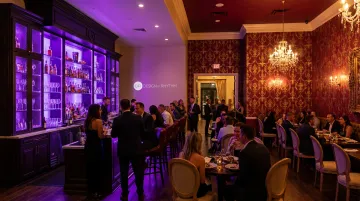
One richly colored or patterned wall can energize a bar or waiting area while the rest of the palette stays neutral for balance. St Felix Las Vegas, one of Design in Rhythm's own hospitality projects, is a strong example: the bar area glows under illuminated shelving bathed in purple light, while the main dining room wraps guests in crimson patterned wallpaper with intricate detailing. Each zone gets its own personality without competing for attention.
Biophilic Green Walls Paired with Neutral Tones
Living or vertical garden walls set against soft, neutral backgrounds appeal to eco-conscious diners and add a sense of freshness to the room. Pair greenery with muted stone or plaster tones so the plants, not the backdrop, do the talking.
Industrial Edge with Brick & Subway Textures
Exposed-brick-effect finishes or classic subway tile suit breweries and casual concepts that want raw character without sacrificing cleanability. Subway tile in particular remains a hospitality staple because it's easy to wipe down and photographs well under almost any lighting.
Minimalist Matte Finishes for Modern Eateries
Matte, monochromatic wall surfaces create quiet, understated elegance. They also hide fingerprints and water spots far better than glossy finishes in high-traffic zones like host stands and hallways.
Vintage & Retro-Inspired Patterns
Terrazzo, geometric tile, and retro typography evoke nostalgia and suit diners or heritage-themed concepts. Daltile's 2026 "Midimalism" line, with its circular-patterned rectangular tile, is a good example of how retro motifs are being reworked for contemporary dining rooms.
Interactive & Artisanal Wall Features
Chalkboard walls for daily specials, paired with hand-painted tile art, invite guests to engage with the space rather than just look at it. This works especially well near host stands or open kitchens, where movement and change keep the wall feeling alive.
Mirrored & Reflective Accents for Small Spaces
Glossy or mirrored surfaces bounce natural light around a room and make compact dining areas feel larger. This trick has cycled through design for decades, and it's returning to 2025-2026 restaurant projects for a simple reason: it delivers results guests notice immediately.
Choosing the Right Wall Material: Tile vs. Paint vs. Wallpaper vs. Murals
Every wall idea above still needs a material to hold it up, and that decision matters more than most owners expect.
Durability and moisture resistance vary widely. Porcelain tile is classified under ANSI A137.1:2022 as having 0.5% or less water absorption, tested under ASTM C373 standards for water absorption. Paint and wallpaper simply can't match that in kitchen-adjacent zones where steam and splashes are constant.
Hygiene is a code issue, not just a preference. The FDA Food Code 2022 requires walls in food-establishment areas to be smooth, durable, and easily cleanable, with nonabsorbent surfaces mandatory in moisture-prone zones like prep areas and warewashing stations. Non-porous tile clears that bar easily; porous wallpaper or flat paint often doesn't.
Acoustics deserve more attention than they get. Smooth painted drywall reflects sound, which is part of why busy dining rooms get loud fast. Textured tile, upholstered panels, and fabric wall treatments absorb more of that noise, an overlooked factor that affects guest comfort as much as the visuals do.
Here's a quick comparison:
| Material | Durability | Hygiene | Upfront Cost |
|---|---|---|---|
| Porcelain tile | Highest | Excellent (non-porous) | Higher |
| Paint | Moderate | Good, but needs frequent touch-ups | Lowest |
| Wallpaper | Lower in wet zones | Fair, porous options need care | Low |
| Murals | Varies by finish | Depends on sealant | Low to moderate |
Murals and wallpaper cost less upfront but typically need more frequent touch-ups in high-traffic dining rooms. Tile costs more initially but holds its finish far longer.
That's why most professional designs mix materials: tile accent walls near the bar or kitchen pass, and painted fields in lower-traffic dining zones. This combination balances budget, durability, and visual variety across the space.
How Lighting Enhances Restaurant Wall Design
The best wall material in the world looks flat under the wrong lighting. Warm wall sconces bring out texture in matte or tiled surfaces, softening the room and making even a simple finish feel intentional.
Backlit features and neon signage against a textured wall create the kind of shareable moment guests photograph without being asked to. With 58% of diners factoring social-media worthiness into where they eat, this kind of photo-ready detail functions as organic marketing built into the architecture.
Grazing light is the technique worth knowing:
- Fixtures are angled parallel to the wall surface, roughly 12 inches away
- Light rakes across texture, creating highlights and shadows that add depth
- Works especially well on plaster, brick-effect finishes, and dimensional tile
- The same angle that dramatizes texture in person also photographs beautifully
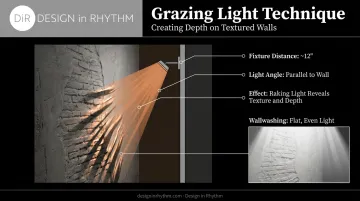
Restaurants like Javier's in Los Angeles use this exact approach, uplighting hand-troweled plaster tunnels to dramatic effect. Wallwashing, by contrast, flattens texture for a cleaner look—choose based on whether you want the wall to recede or command attention.
Aligning Wall Design with Your Brand and Guest Experience
A wall treatment only works if it matches the restaurant behind it. Weathered plaster and warm wood suit a rustic Italian trattoria; that same finish would feel out of place in a sleek sushi bar built around clean lines and cool tones.
Different zones of the restaurant also call for different treatments:
- Bar areas can handle bolder color and pattern since guests linger and look around
- Main dining rooms often need a calmer backdrop that won't compete with the food
- Restrooms are increasingly treated as design opportunities, not afterthoughts
- Kitchen-facing walls need nonabsorbent, code-compliant materials above all else
Getting each zone right matters, but so does staying power. Trend-chasing is tempting, but a wall that's all trend and no substance dates fast. Balance the of-the-moment pattern or color with a durable, timeless base material so the room still feels current in three years, not just three months.
Why Restaurant Owners Partner with a Professional Designer Instead of DIY Sourcing
Sourcing wall materials independently sounds simple until the tile samples don't match, the shipment gets delayed six weeks, or the installer discovers the substrate wasn't prepped for what was ordered. These are the moments where a promising concept unravels.
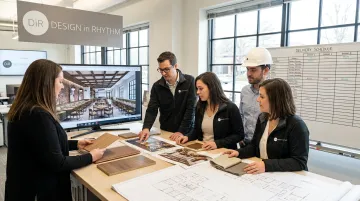
Design in Rhythm approaches this differently. Founder Jon Wheat calls it the Dream Phase, a discovery process that uncovers the restaurant's real story before a single material gets selected.
That means understanding how the space will be used, who walks through the door, and what the daily rhythm looks like. The goal is a wall that feels authentically the owner's, not a version of whatever's trending that season.
That discovery feeds into a decade-plus network of vendors, artisans, and custom tile and furniture makers built through hospitality work across Los Angeles, Santa Barbara, Las Vegas, Boston, Washington DC, and New Jersey, providing access that isn't available through mainstream retailers.
The firm also sources materials before producing photorealistic 3D renderings, so what an owner approves on screen is exactly what shows up on-site.
Procurement and Logistics Manager David Chen's team then manages the full pipeline:
- Tracks every order from confirmation to delivery
- Sequences deliveries to match the installation timeline
- Stages materials on-site before installation begins
This coordination keeps late shipments and damaged goods from derailing the project in its final stretch.
For a restaurant owner, that translates into one team managing concept, procurement, logistics, and installation, instead of juggling five vendors and hoping the tile matches the rendering.
Frequently Asked Questions
What is the most durable wall material for high-traffic restaurants?
Porcelain or vitrified tile is the most durable choice, thanks to its low water absorption and stain resistance. It holds up well in both dining rooms and kitchen-adjacent walls.
How can restaurant wall design reflect my brand identity?
Color palette, texture, and imagery should echo your cuisine, target guest, and overall concept. A cohesive wall treatment makes the space feel authentically yours, not generic.
Are eco-friendly wall materials a good option for restaurants?
Reclaimed wood, living green walls, and recycled materials are gaining popularity among sustainability-minded diners. They pair well with neutral tones for a balanced, natural look.
Can I combine different wall materials like tile, paint, and murals in one restaurant?
Yes. Mixing materials across zones, such as tile near the bar and paint in the main dining room, is a common professional approach that adds visual depth and manages budget.
How does lighting affect the appearance of restaurant wall tiles or murals?
Lighting angle and warmth dramatically change how texture, color, and pattern read in person and in photos. Grazing light adds drama; wallwashing creates a flatter, calmer look.
Should I hire an interior designer for restaurant wall design, or handle it myself?
DIY can work for small, low-risk updates. For full remodels, a designer who sources every material before finalizing renderings, as Design in Rhythm's team does, greatly reduces the risk of costly mismatches.